Essential Care Tips for Long-Lasting Cut Flowers
Cut flowers bring color, fragrance, and a touch of nature indoors. Whether they are a gift from Bloom & Petal or a personal purchase, their beauty can be fleeting. Understanding a few key principles about how flowers take up water and nutrients can help extend their vase life. The process involves several factors, including stem health, water quality, and environmental conditions. By following some essential practices, you can enjoy your bouquet for over a week.
This article outlines methods for trimming stems, changing water, and using flower food, as well as other considerations for maintaining fresh cut flowers. These steps are based on general horticultural knowledge and are intended to support the natural processes that keep flowers alive. The results can vary depending on the flower type, initial condition, and the care provided.
Before diving into specifics, it is helpful to understand that cut flowers are living tissues that continue to respire and transpire. They need a continuous supply of water to replace what is lost through their petals and leaves. Any interruption in this supply can lead to wilting and premature aging. Therefore, the primary goal of flower care is to maintain an unobstructed flow of water and to minimize factors that promote bacterial growth or air blockage in the stems.
The Importance of Proper Hydration
Water is the lifeblood of cut flowers. When stems are cut, air can enter the vascular system, creating embolisms that block water uptake. Additionally, bacteria and fungi can multiply in the vase water, further impeding flow. To prevent these issues, it is essential to start with clean, room-temperature water. Cold water can shock some flowers, while hot water may damage tissues. Using a clean vase is equally important, as residual dirt or detergent can harbor microorganisms.
Changing the water regularly is a fundamental practice. Ideally, replace the water every two days, or more frequently if it appears cloudy. Cloudy water indicates bacterial growth, which shortens flower life. When changing water, also rinse the vase thoroughly to remove any biofilm. Some florists recommend adding a few drops of bleach or a commercial flower food solution to inhibit microbial growth. However, bleach should be used cautiously and in very small amounts, as it can harm some flowers.
In addition to changing water, maintaining the water level is crucial. Stems should be submerged at least a few inches, but leaves should never be below the waterline. Submerged leaves decay quickly and promote bacterial proliferation. If leaves do end up in the water, remove them promptly. A clean vase, fresh water, and proper water level create an environment that supports hydration and reduces stress on the flowers.
For most flowers, lukewarm water is best because it is absorbed more readily than cold water. However, some flowers, such as tulips and daffodils, prefer cooler water. It is always a good idea to check specific care instructions for the flower variety you have. Bloom & Petal often provides guidance on water temperature for different bouquets. Regardless of the type, consistently monitoring water quality and level is a simple yet effective way to prolong freshness.
Techniques for Trimming Stems
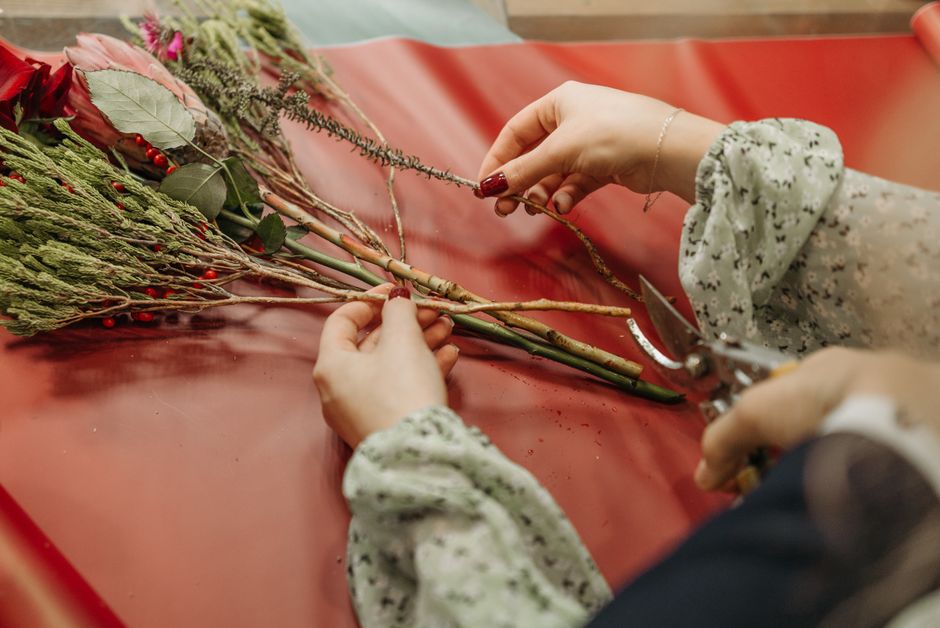
Trimming stems is not merely about aesthetics; it is a critical step in maintaining water uptake. When flowers are first received, it is advisable to re-cut the stems. This removes the dried, sealed end that formed after harvesting and exposes fresh tissue. Use a sharp, clean knife or pruning shears rather than scissors, as scissors can crush the stem and block water vessels. A clean cut at a 45-degree angle increases the surface area for water absorption and prevents the stem from sitting flat on the bottom of the vase.
The timing of trimming also matters. Ideally, cut stems under water to prevent air from entering the vascular system. This can be done by holding the stem underwater while making the cut. While this may be impractical for all stems, it is a technique that can help. After cutting, place the stems in water immediately. If you are trimming multiple flowers, do them one at a time to minimize air exposure.
Re-trimming every few days can also be beneficial. As stems sit in water, the cut end may become clogged with bacteria or healed over, reducing water uptake. By removing a small portion of the stem, you reopen the channels. This is especially helpful if you notice wilting or if the water has become cloudy. Always use a sharp tool and make a clean cut. Avoid crushing or splitting the stem, as this damages the xylem and phloem tissues responsible for water and nutrient transport.
Different flower types may require slightly different trimming approaches. For example, woody stems like lilacs benefit from a vertical slit or a slight crush at the base to increase water uptake. Hollow stems, such as those of dahlias, may need to be filled with water by turning them upside down. Soft stems, like those of daisies, simply need a fresh angled cut. Understanding the anatomy of your flowers can guide your trimming technique. Bloom & Petal provides specific care cards for many of their arrangements, which can be a useful reference.
Using Flower Food Effectively
Commercial flower food is formulated to provide three main benefits: it supplies nutrients, lowers the pH of the water, and contains a disinfectant to inhibit bacterial growth. The nutrients, primarily sugar, serve as an energy source for the flowers, helping them maintain metabolic processes. The acidifier helps water move up the stem more efficiently, while the disinfectant keeps the water cleaner for longer. Using flower food as directed can significantly extend vase life for many flower varieties.
When using flower food, it is important to follow the instructions on the packet. Using too little may not provide enough benefit, while using too much can be harmful. Typically, one packet is designed for a certain volume of water, often one quart or one liter. Measure the water accurately and dissolve the powder completely before adding flowers. If you run out of commercial flower food, there are homemade alternatives, such as a mixture of lemon-lime soda and water, or a few drops of bleach and a pinch of sugar. However, these DIY solutions are less precise and may not work as well.
It is also worth noting that flower food is not a substitute for proper hygiene. Even with flower food, water should be changed regularly, and stems should be re-trimmed. Flower food can lose its effectiveness over time as bacteria consume the disinfectant and sugar. Therefore, it is best to make a fresh solution each time you change the water. Some people prefer to use flower food only initially and then switch to plain water, but continuing with flower food can provide ongoing benefits.
If you have pets or young children, ensure that the flower food solution is kept out of reach, as it may contain chemicals that are not safe for consumption. Always store flower food packets in a dry place and use them before their expiration date. Bloom & Petal includes flower food with many of their bouquets, and their website offers additional tips on how to make the most of it. By using flower food correctly, you can support the health of your cut flowers and enjoy them for a longer period.
Environmental Factors and Everyday Care
Beyond water and stem care, the environment where you place your flowers plays a significant role in their longevity. Temperature, light, and humidity all affect how quickly flowers age. Most cut flowers prefer cool temperatures, ideally between 65 and 72 degrees Fahrenheit. Avoid placing them near heating vents, direct sunlight, or appliances that generate heat, as these can cause rapid dehydration. Also, keep flowers away from drafts, which can dry them out.
Ethylene gas is another consideration. This gas, produced by ripening fruits and vegetables, can accelerate aging in flowers. Therefore, it is best to keep your bouquet away from a fruit bowl or vegetable basket. Some flowers, such as carnations and gypsophila, are particularly sensitive to ethylene. If you cannot avoid storing fruits nearby, consider using an ethylene absorber or simply relocate the flowers to another room.
Humidity levels can also impact flowers. In dry environments, flowers may lose water faster than they can take it up. Using a humidifier or placing a small dish of water near the bouquet can help increase humidity. However, excessively high humidity can promote fungal growth, so aim for a balanced level. Misting flowers is generally not recommended, as it can lead to mold and mildew, especially in tight buds.
Finally, simple everyday care can make a difference. Remove any wilted flowers or leaves promptly, as they can harbor bacteria and release ethylene. If a flower droops, you can try re-cutting the stem and placing it in warm water. For some flowers, such as hydrangeas, submerging the entire bloom in water for a few minutes can revive it. However, this technique is not suitable for all flowers. Always handle flowers gently to avoid bruising petals or breaking stems. With a little attention, your cut flowers can remain a vibrant part of your home for over a week.