Step-by-Step Guide to Creating a Stunning Bouquet
Creating a stunning bouquet is a rewarding process that combines artistic vision with practical skills. Whether you are a novice or an experienced enthusiast, understanding the principles behind color selection, stem preparation, and presentation can elevate your floral arrangements. This guide outlines a systematic approach used by professional florists, focusing on methods that can be adapted to various styles and occasions. While the outcome depends on factors such as flower availability, seasonal conditions, and personal creativity, following these steps can help you develop a bouquet that reflects care and attention to detail.
The process begins with a clear plan. Consider the purpose of the bouquet, the setting where it will be displayed, and the message you wish to convey. These considerations influence everything from the color palette to the choice of wrapping. By approaching bouquet making as a series of informed decisions, you can create a cohesive arrangement that feels intentional and polished. The techniques described here are grounded in established floristry practices and are intended to serve as a flexible framework rather than a rigid set of rules.
In the following sections, we will explore each stage in depth: selecting a harmonious color scheme, preparing and arranging stems for balance and visual interest, and wrapping the bouquet to enhance its overall presentation. Each step builds on the previous one, so taking the time to understand the rationale behind each technique can lead to more satisfying results. Remember that floral design is both a science and an art; experimentation and adaptation are natural parts of the learning curve.
Selecting a Harmonious Color Palette
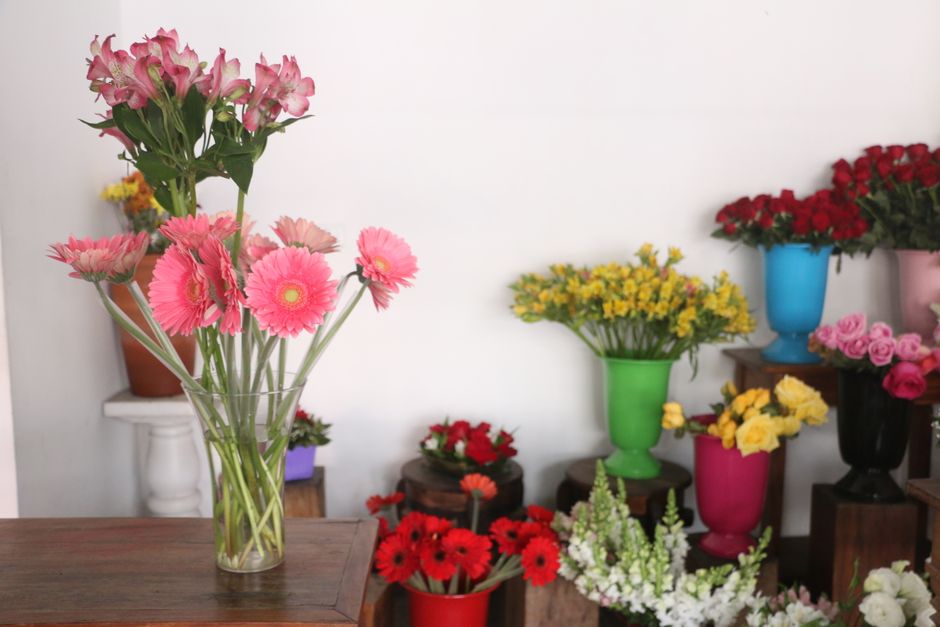
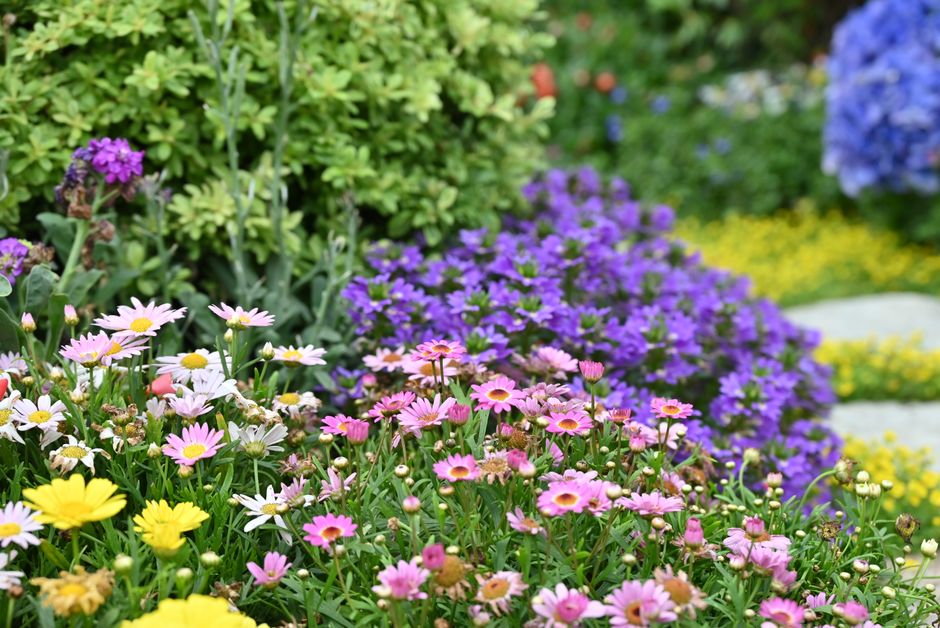
Color is often the first element that catches the eye, and a well-chosen palette can unify a bouquet even when the flower varieties are diverse. Start by deciding on a color mood: analogous colors (neighboring on the color wheel) create a soft, harmonious look, while complementary colors (opposite on the wheel) offer vibrant contrast. Monochromatic schemes, using different shades of a single hue, can be elegant and modern. Consider the occasion and the environment—a bright, multicolored bouquet may suit a festive gathering, while a subdued palette might be more appropriate for a formal event. It is also helpful to think about the ratio of colors: typically, one dominant color, one secondary color, and one accent color can provide balance without overwhelming the viewer.
When selecting flowers, pay attention to their natural hues and how they interact with one another. Some flowers, like roses or tulips, come in a wide range of colors, while others, such as certain lilies or orchids, may have limited options. Incorporating foliage and filler flowers can add depth and texture without introducing competing colors. For instance, using green foliage as a neutral base allows the main flowers to stand out. Additionally, consider the lighting conditions where the bouquet will be displayed; natural daylight may enhance certain colors, while artificial light can shift perceptions. Testing a few combinations before committing can help you avoid clashes and ensure a pleasing overall effect.
Finally, remember that color selection is subjective and context-dependent. What works for one arrangement may not suit another. Trust your instincts, but also be open to adjusting your palette as you gather materials. The goal is to create a visual balance that feels appropriate for the setting and the intended message. By thoughtfully combining colors, you set a strong foundation for the entire bouquet.
Preparing and Arranging Stems for Balance
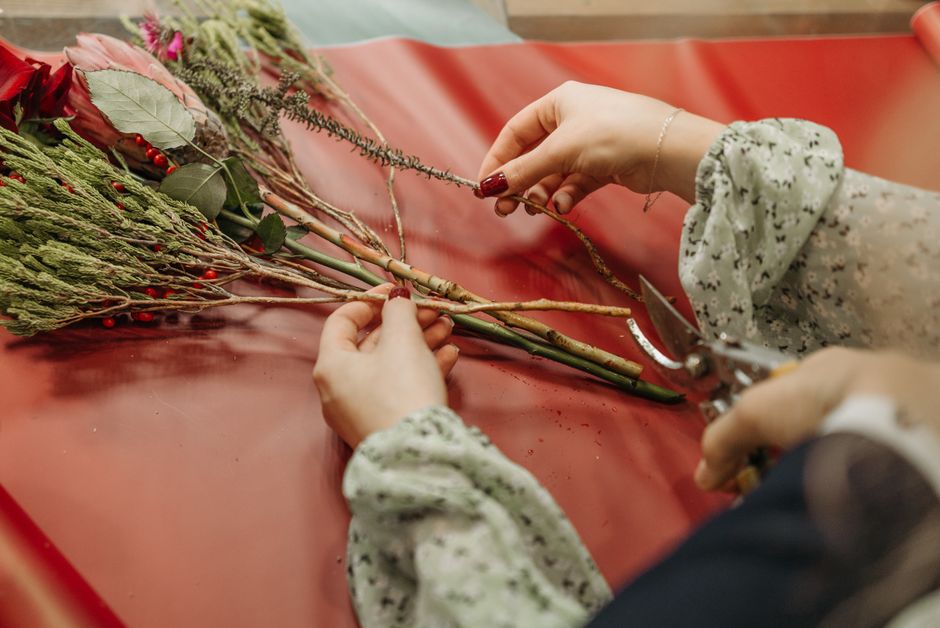
Before arranging, proper stem preparation is essential for both the longevity of the flowers and the structural integrity of the bouquet. Begin by removing any leaves that would sit below the water line in a vase, as submerged foliage can promote bacterial growth. Trim the stems at a 45-degree angle using sharp, clean shears; this increases the surface area for water uptake and allows stems to sit more naturally in the arrangement. For woody stems, a diagonal cut or a small vertical slit can help them absorb water more efficiently. Conditioning flowers by letting them hydrate in clean water for a few hours before arranging can also improve their turgidity and make them easier to work with.
When it comes to arrangement, a common florist technique is to build the bouquet in your hand, rotating it as you add each stem. This method, often called the spiral or hand-tied technique, creates a balanced, dome-shaped arrangement. Start with a focal flower in the center, then add stems around it at a slight angle, turning the bouquet after each addition. This ensures that the flowers are evenly distributed and that the stems cross at a single point, which later facilitates tying and wrapping. Vary the heights and angles to avoid a flat, one-dimensional look; grouping flowers in odd numbers can also create a more natural appearance. As you work, periodically step back to assess the overall shape and make adjustments as needed.
Achieving balance also involves considering the visual weight of different flowers. Large, heavy blooms may need to be supported by stronger stems or placed lower in the arrangement, while delicate flowers can be positioned higher or at the edges to create a sense of airiness. Filler flowers and foliage can fill gaps and add volume without adding much weight. If a stem feels loose, you can reinsert it at a different angle or trim it slightly. The key is to maintain a consistent focal point and a pleasing silhouette. With practice, this process becomes intuitive, allowing you to adapt to the unique characteristics of each flower variety.
Wrapping and Finishing the Bouquet
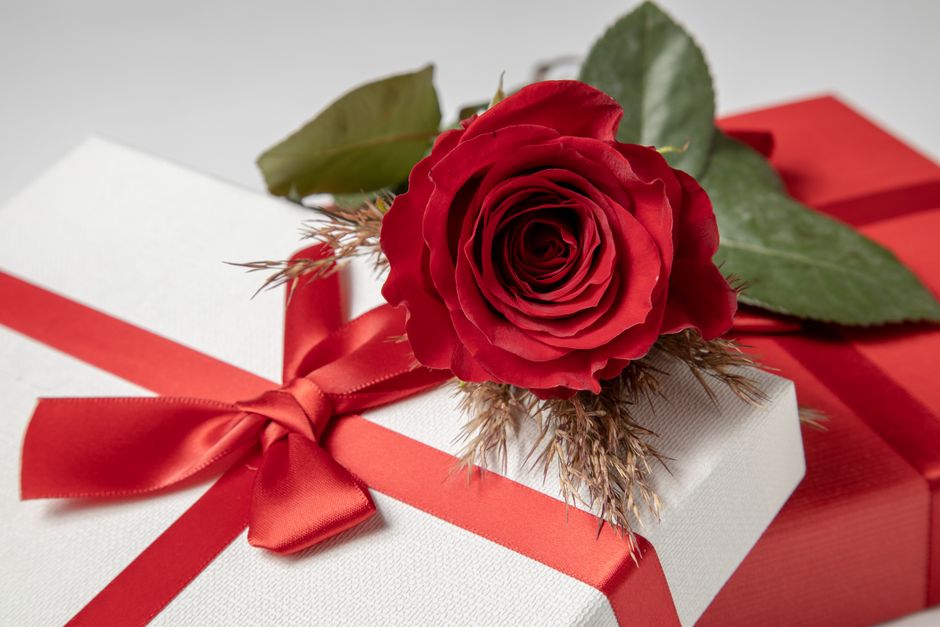
The wrapping serves both a functional and an aesthetic purpose: it protects the stems, provides a handle for carrying, and contributes to the overall presentation. Common materials include kraft paper, tissue paper, cellophane, and fabric ribbons. The choice of wrapping can complement the color palette and style of the bouquet—for example, natural brown paper pairs well with rustic or wildflower arrangements, while glossy paper or satin ribbon can add a touch of elegance. Before wrapping, ensure that the stems are clean and neatly aligned. You may also want to bind the stems with twine or a rubber band to hold the arrangement in place during the wrapping process.
To wrap, lay the bouquet diagonally on a sheet of paper, with the flower heads positioned near one corner. Fold the paper over the stems, then roll the bouquet to enclose the stems completely. You can adjust the paper to create pleats or folds that add texture and volume. For a more polished look, use two layers of paper in contrasting colors or patterns. Once the paper is in place, secure it with a ribbon or twine, tying a bow or a simple knot. The ribbon can also be used to cover the binding point and add a decorative element. If using multiple ribbons, consider layering them for a fuller effect. Finally, trim any excess paper or ribbon ends for a clean finish.
Beyond wrapping, finishing touches such as adding a water source can extend the bouquet’s freshness. If the bouquet is hand-tied, you can place the stems in a water-filled bag or wrap them in a damp paper towel before wrapping. For a gift bouquet, including a small card with care instructions can be a thoughtful addition. Remember that the wrapping should not obscure the flowers; it should enhance them. Take a moment to view the bouquet from different angles and make any final adjustments to the arrangement or wrapping. The goal is to create a cohesive presentation that feels complete and ready for display.
Best Practices and Common Pitfalls
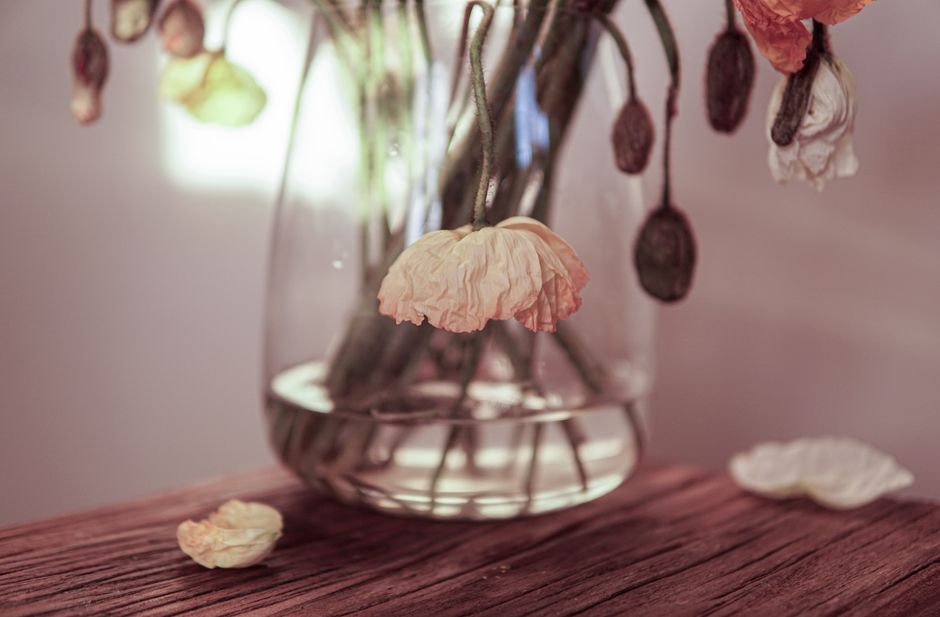
Even with a solid technique, certain challenges can arise. One common pitfall is overcrowding the bouquet, which can crush delicate petals and make the arrangement look cluttered. Aim for a balance between fullness and airiness, allowing each flower to be seen. Another issue is improper hydration; flowers that are not conditioned properly may wilt prematurely. Always use clean containers and fresh water, and change the water every couple of days if the bouquet is kept in a vase. Additionally, be mindful of the environment: direct sunlight, drafts, and ripening fruit can shorten the life of your flowers. Placing the bouquet in a cool spot away from heat sources can help maintain its appearance.
From a design perspective, consistency in style and proportion is key. If the bouquet has a wild, garden-gathered look, avoid using overly formal wrapping or rigid symmetry. Conversely, a structured, modern bouquet may benefit from clean lines and minimal embellishments. It is also helpful to consider the scale of the bouquet relative to the recipient or the space where it will be displayed. A bouquet that is too large or too small may feel out of place. Testing the arrangement in the intended location can provide valuable insight. Lastly, don’t be afraid to seek inspiration from professional florists or floral design resources; observing different techniques can expand your repertoire and help you develop your own signature style.
While the steps outlined here provide a reliable framework, every bouquet is unique. Factors such as flower type, season, and personal preference will influence your choices. The process is meant to be enjoyable and expressive, so allow yourself the freedom to experiment. With practice, you will gain confidence in selecting colors, arranging stems, and wrapping bouquets that reflect your creativity and skill.