Seasonal Guide to Choosing Fresh Flowers Year-Round
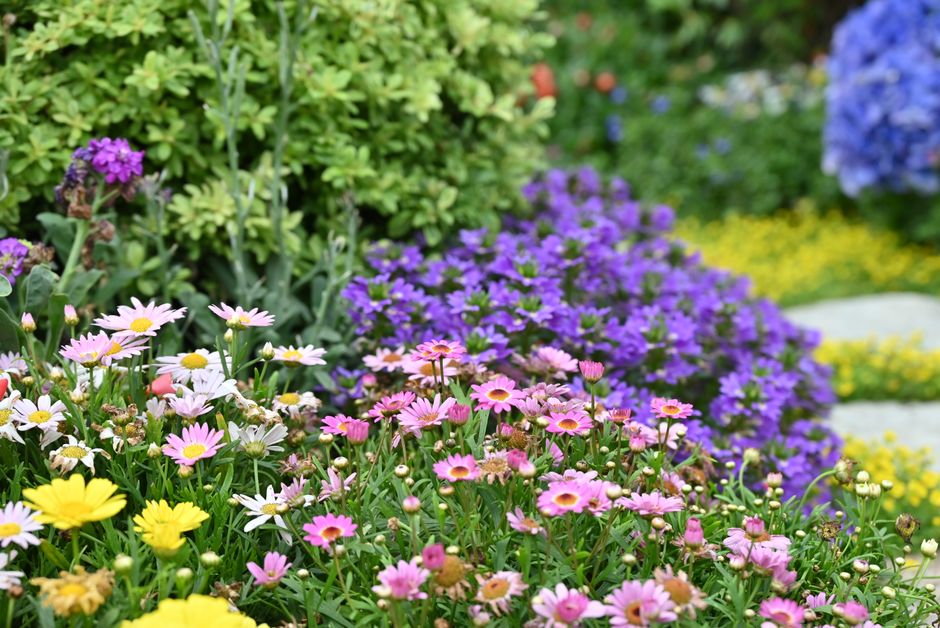
Selecting fresh flowers throughout the year involves understanding natural bloom cycles and the factors that influence availability. Seasonal flowers are those that grow and bloom during specific periods in a given climate, and their presence in the market often reflects local growing conditions. By recognizing these patterns, individuals can make informed choices that align with the time of year and regional characteristics.
In the United States, the diversity of climates means that seasonal availability can vary significantly from one region to another. Factors such as temperature, daylight hours, and local agricultural practices all play a role in determining which flowers are at their peak. This guide provides an overview of typical seasonal blooms and offers a framework for selecting fresh flowers, whether for personal enjoyment or special occasions.
It is important to note that seasonal availability is not absolute; many flowers can be grown in controlled environments or imported from other regions. However, focusing on seasonally appropriate options often supports local growers and can reflect a more natural rhythm. The following sections explore each season’s common flowers and suggest practical considerations for choosing them.
Spring: Renewal and Vibrant Blooms
Spring is a time of transition, when warming temperatures and increased sunlight trigger a wave of growth in many plants. In the United States, spring generally spans from March to May, though this varies by latitude. During this period, a wide array of flowers become available, often characterized by bright colors and delicate forms. Tulips, daffodils, hyacinths, and peonies are among the most recognizable spring blooms. These flowers often symbolize renewal and are popular for Easter and Mother’s Day arrangements.
When selecting spring flowers, consider their freshness and stage of bloom. Tulips, for example, continue to open after being cut, so choosing buds that are just beginning to show color can extend their display. Daffodils should be purchased when their buds are still closed but showing color, as they open quickly in warm indoor environments. Hyacinths are valued for their intense fragrance, which can fill a room, but some individuals may find the scent overpowering. Peonies, with their large, lush blooms, are often available in late spring and can be purchased in bud form to enjoy their gradual opening.
From a practical standpoint, spring flowers often have shorter vase lives than some summer or autumn varieties, so changing water regularly and trimming stems can help maintain their appearance. Additionally, pairing different spring blooms can create arrangements that reflect the season’s diversity. For those interested in supporting local agriculture, farmers’ markets and community-supported agriculture (CSA) programs frequently offer freshly cut spring flowers.
Summer: Abundance and Bold Colors
Summer, typically from June to August, brings an abundance of flowers in a wide range of colors and forms. The long, warm days and ample sunlight encourage prolific blooming in many species. Common summer flowers include sunflowers, roses, lilies, dahlias, and zinnias. These flowers often have sturdy stems and can withstand higher temperatures, making them suitable for outdoor events and extended display.
Sunflowers are iconic summer blooms, known for their large, radiant heads and heliotropic behavior when growing. When cut, they can last several days if kept in clean water and away from direct heat. Roses are available year-round but are often at their best in summer, with a wide selection of colors and fragrances. Lilies, such as Asiatic and Oriental varieties, offer striking shapes and often a strong fragrance. Dahlias and zinnias are favorites for cutting gardens due to their long blooming period and vibrant, saturated colors.
When choosing summer flowers, consider the conditions in which they will be displayed. High temperatures can cause some flowers to wilt more quickly, so placing arrangements in cooler areas and avoiding direct sunlight can help prolong freshness. It is also worth noting that summer is peak season for many local flower farms, so purchasing directly from growers can provide access to unique varieties and longer-lasting stems. For those planning outdoor events, selecting heat-tolerant flowers like sunflowers, zinnias, and certain dahlias can be beneficial.
Autumn: Warm Tones and Textural Interest
Autumn, from September to November, is characterized by a shift in color palette and a change in available flowers. As temperatures cool and daylight decreases, many summer blooms fade, making way for flowers that thrive in milder conditions. Common autumn flowers include chrysanthemums, asters, dahlias, and ornamental grasses. These often feature warm hues such as orange, gold, bronze, and deep red, reflecting the changing leaves.
Chrysanthemums, or mums, are perhaps the most associated with autumn in the United States. They come in numerous varieties and can be used in pots or as cut flowers. Asters provide a delicate, star-like appearance and are available in shades of purple, pink, and white. Dahlias continue to bloom until the first frost, offering a bridge between summer and autumn. Ornamental grasses add texture and movement to arrangements, and their dried seed heads can be used in everlasting displays.
When selecting autumn flowers, consider their longevity and how they complement seasonal decor. Many autumn blooms have a naturally long vase life, especially chrysanthemums and asters. It is also a good time to incorporate dried elements, such as wheat stalks or seed pods, which can add rustic charm. For those in colder regions, autumn may be the last opportunity to source local flowers before winter, so taking advantage of farmers’ markets and local growers can be worthwhile.
Winter: Elegance and Resilience
Winter, from December to February, presents challenges for fresh flowers due to cold temperatures and reduced daylight. However, a variety of flowers are available, either grown in greenhouses or imported from warmer climates. Common winter flowers include amaryllis, paperwhites, tulips (often forced), cyclamen, and poinsettias. These flowers often bring a sense of elegance and can brighten indoor spaces during the darker months.
Amaryllis and paperwhites are popular for their dramatic blooms and are often forced to flower indoors. They require specific care, such as maintaining consistent moisture and providing support for tall stems. Tulips can also be forced to bloom in winter, offering a touch of spring in the colder months. Cyclamen, with their distinctive upswept petals, are available in various colors and can thrive in cool indoor conditions. Poinsettias, with their red, white, or pink bracts, are a staple of holiday decor, though they are sensitive to cold drafts.
When choosing winter flowers, consider the indoor environment. Many winter blooms prefer cooler temperatures and higher humidity, which can be challenging in heated homes. Placing arrangements away from heat sources and monitoring moisture levels can help. Additionally, imported flowers may have traveled long distances, so checking for freshness is important. Purchasing from local florists who source from greenhouses can sometimes yield fresher options. Overall, winter flowers offer a way to enjoy natural beauty even when outdoor blooms are scarce.
General Considerations for Year-Round Selection
Beyond seasonal specifics, several general principles can guide the selection of fresh flowers throughout the year. First, freshness is paramount. Look for flowers with firm stems, healthy leaves, and buds that are just beginning to open. Avoid flowers with brown or wilting petals, as they may be past their prime. Second, consider the intended use: some flowers are better suited for bouquets, while others excel in arrangements or as single stems.
Third, think about color harmony and texture. Seasonal flowers often naturally complement each other, but mixing and matching can create unique displays. Fourth, factor in care requirements. Some flowers need more frequent water changes or trimming than others. Finally, consider the source. Local, seasonal flowers may have a smaller environmental footprint and can support regional growers. However, year-round availability often depends on global supply chains, so understanding the origin can inform choices.
In conclusion, selecting fresh flowers year-round involves a blend of seasonal awareness and practical evaluation. By observing what is naturally in bloom and considering factors such as freshness, care, and source, individuals can enjoy floral beauty in every season. Whether choosing tulips in spring or amaryllis in winter, the key is to appreciate the unique qualities each season offers.